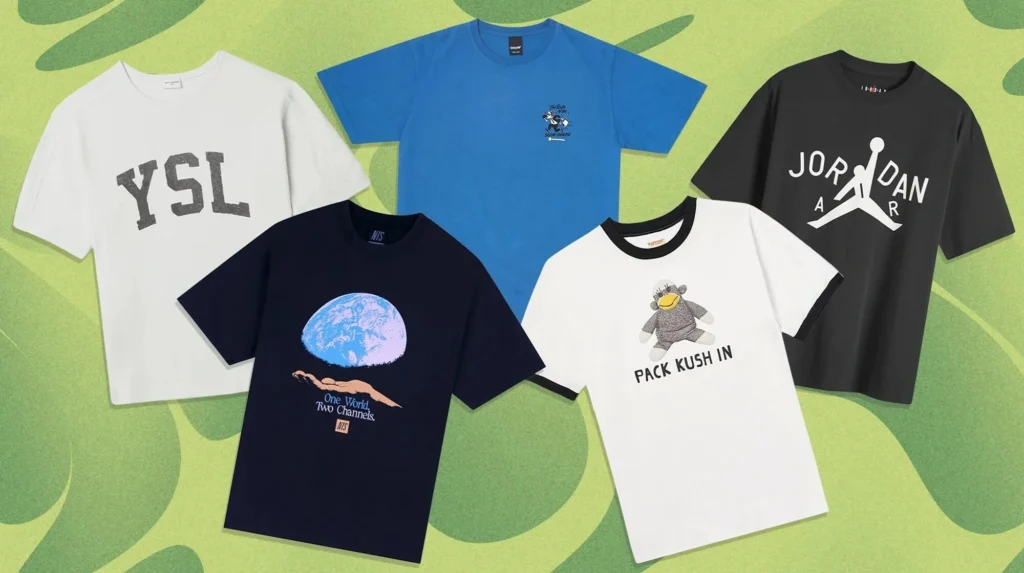
The graphic tee is a staple of the modern wardrobe, serving as a canvas for personal expression, brand loyalty, and artistic flair. However, many men have experienced the frustration of a favorite shirt losing its shape after two washes or the vibrant design cracking and peeling away within a month. A high-quality graphic tee should be an investment that remains in your rotation for years, not a disposable item that ends up as a rag after a single season. Learning how to identify superior construction and printing techniques is the key to building a collection that stands the test of time.
Content
Evaluating the Fabric Foundation
The longevity of premium graphic tees for men begins with the quality of the base fabric. While most t-shirts are made of cotton, not all cotton is created equal. To find a shirt that resists shrinking and pilling, look for garments made from combed or ring-spun cotton. These processes remove shorter, coarser fibers and align the remaining strands, resulting in a smoother, stronger, and more durable yarn.
Weight also plays a significant role in durability. While lightweight tees are comfortable in extreme heat, mid-weight or heavyweight fabrics generally hold their structure better over multiple wash cycles. A high-quality shirt should feel substantial without being stiff. Additionally, check for pre-shrunk fabrics; manufacturers that take the extra step to pre-wash their fabric ensure that the fit you try on in the store is the same fit you will have six months later.
Inspecting Printing Techniques and Durability
The longevity of the graphic itself depends heavily on the method used to apply it to the fabric. Screen printing remains the gold standard for durability. In this process, ink is pushed through a stencil directly into the fibers. A high-quality screen print should feel integrated with the fabric rather than sitting like a thick, plastic sheet on top. If the print feels excessively rubbery or heavy, it is more prone to cracking as the fabric stretches and moves.
Another modern method is Direct-to-Garment printing, which works much like an inkjet printer. While this allows for intricate details, the durability can vary. To test the quality of any print, gently stretch the fabric where the design is located. If the image separates or shows the color of the shirt through small cracks immediately, the ink has not bonded correctly. A quality print will move with the fabric and return to its original state without distortion.
Recognizing Superior Construction Details
The small details in the construction of a shirt are often the best indicators of its overall quality. Turn the shirt inside out and inspect the seams. High-quality tees feature tight, even stitching with no loose threads or bunching. Look specifically for double-needle stitching on the sleeves and the bottom hem, as this reinforces the area’s most prone to fraying and unraveling.
The neckline is another critical area to examine. A collar that loses its elasticity leads to the dreaded “bacon neck” look. Quality shirts often incorporate a small percentage of rib-knit spandex into the collar to help it retain its shape. Furthermore, look for shoulder-to-shoulder taping, which is a thin strip of fabric sewn over the interior seams of the shoulders and neck. This prevents the shirt from stretching out at the shoulders, ensuring it hangs correctly on your frame for the life of the garment.
Conclusion
Choosing a high-quality graphic tee is a process of looking past the artwork and focusing on the underlying craftsmanship. By prioritizing ring-spun cotton, inspecting the flexibility of the print, and demanding reinforced stitching, you can ensure your shirts look as good in their fiftieth wear as they did in their first. A great tee is more than just a fashion statement; it is a piece of wearable art that, when chosen correctly, becomes a reliable and long-lasting part of your personal style.
Sharon Trusty is a fashion blog author who has been writing about her own style and other people’s styles for more than eight years. She likes to share her thoughts on all sorts of topics, from dating to make-up tutorials to what she should wear today, and everything in between.